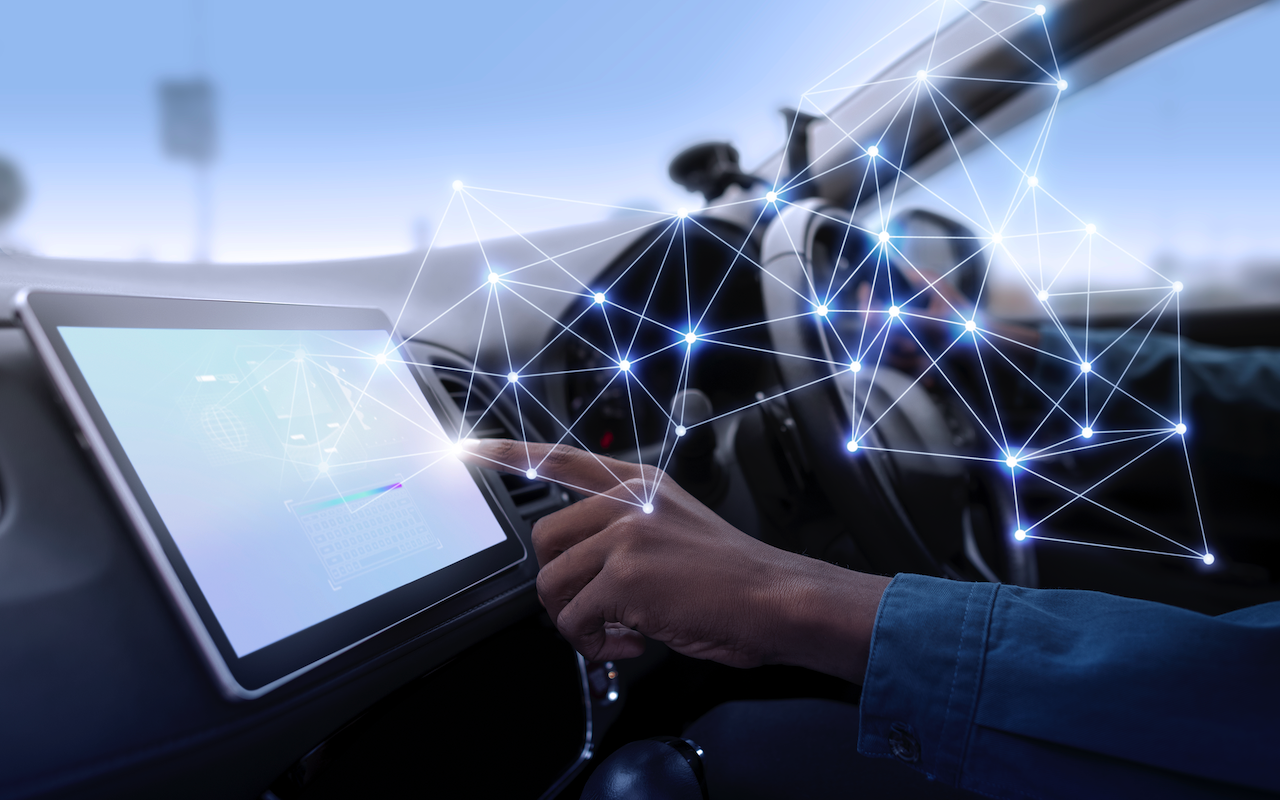
Electronic Logging Devices (ELDs) have evolved beyond Hours of Service compliance, enabling fleets to optimize operations, boost fuel efficiency, improve driver safety, and enhance customer service.
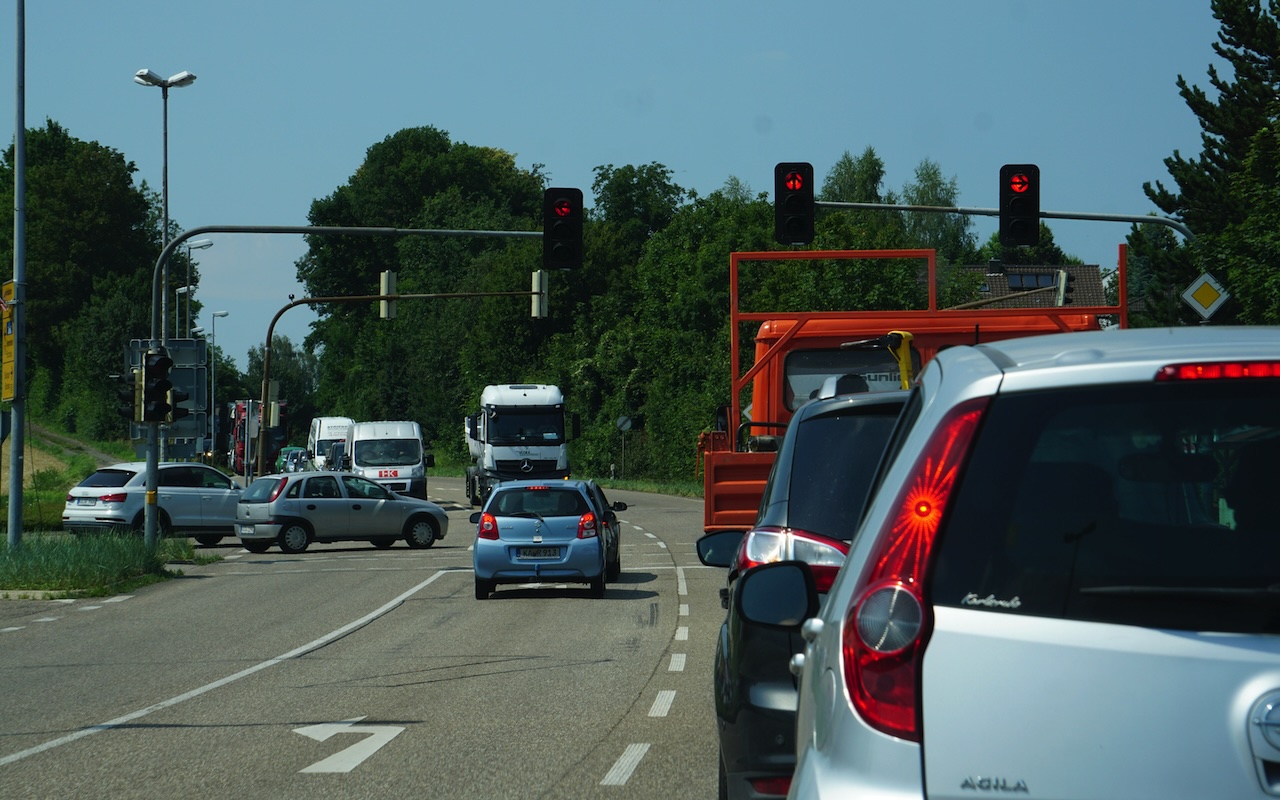
When you drive into a parking lot and the barrier magically lifts without a ticket, have you ever wondered what’s happening behind the scenes? That’s License Plate Recognition (LPR) technology at work. Powered by machine learning and computer vision, LPR systems are becoming smarter, faster, and more accurate — changing how cities, businesses, and security providers operate every day.
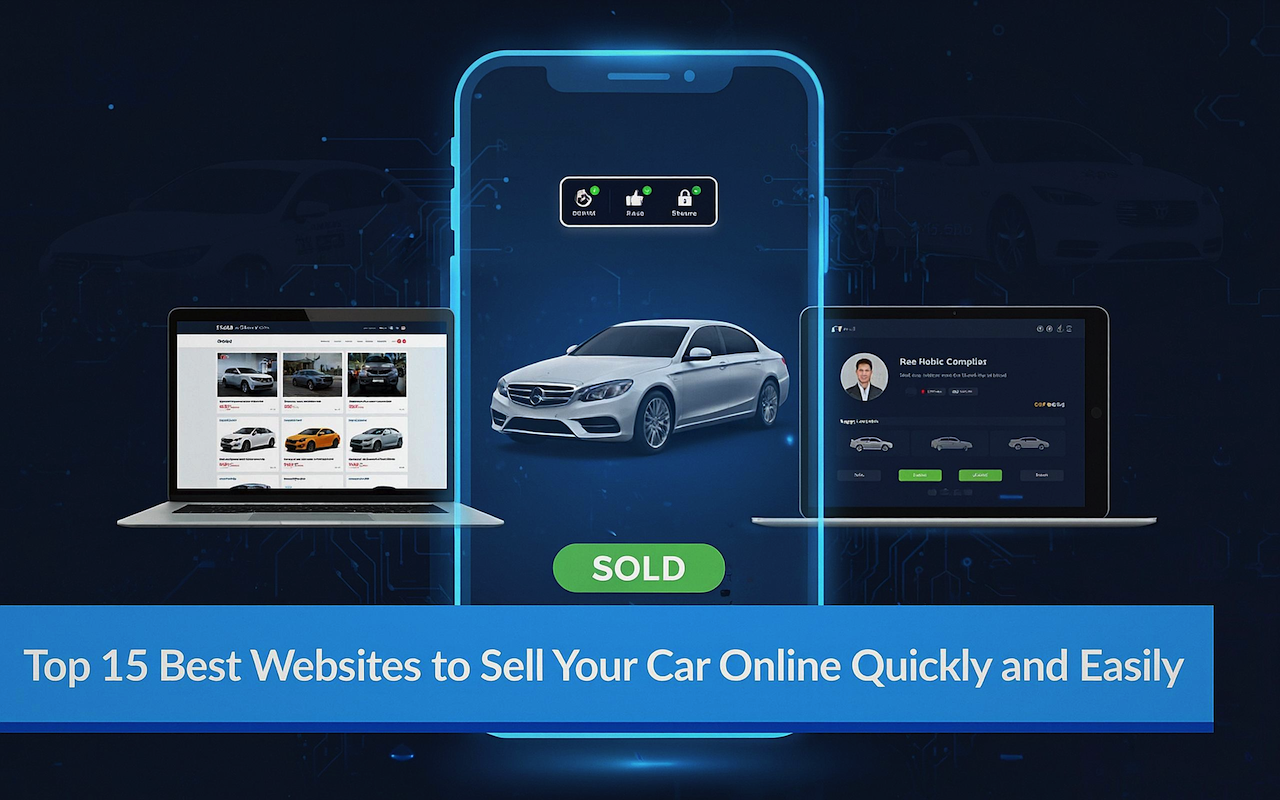
Selling a car has shifted from local newspaper classifieds to modern, dynamic websites. This guide highlights a variety of platforms for selling cars, ranging from global marketplaces to local instant-offer services. Whether your priority is speed, value, or convenience, online car-selling platforms can provide a streamlined experience. To achieve the best results, it’s important to understand how to navigate these marketplaces effectively. Here, we outline top websites that connect sellers with serious buyers while helping maximize outcomes based on individual needs.
Transportation has always been at the core of human civilization, shaping how people, goods, and services move across cities, nations, and continents. From the invention of the wheel to modern-day airplanes and high-speed trains, every era has been defined by advances in mobility. In today’s digital age, the next revolution is being driven not by engines or infrastructure alone but by artificial intelligence (AI). By integrating AI into transportation software solutions, the industry is unlocking new levels of safety, efficiency, and sustainability that were once thought impossible.
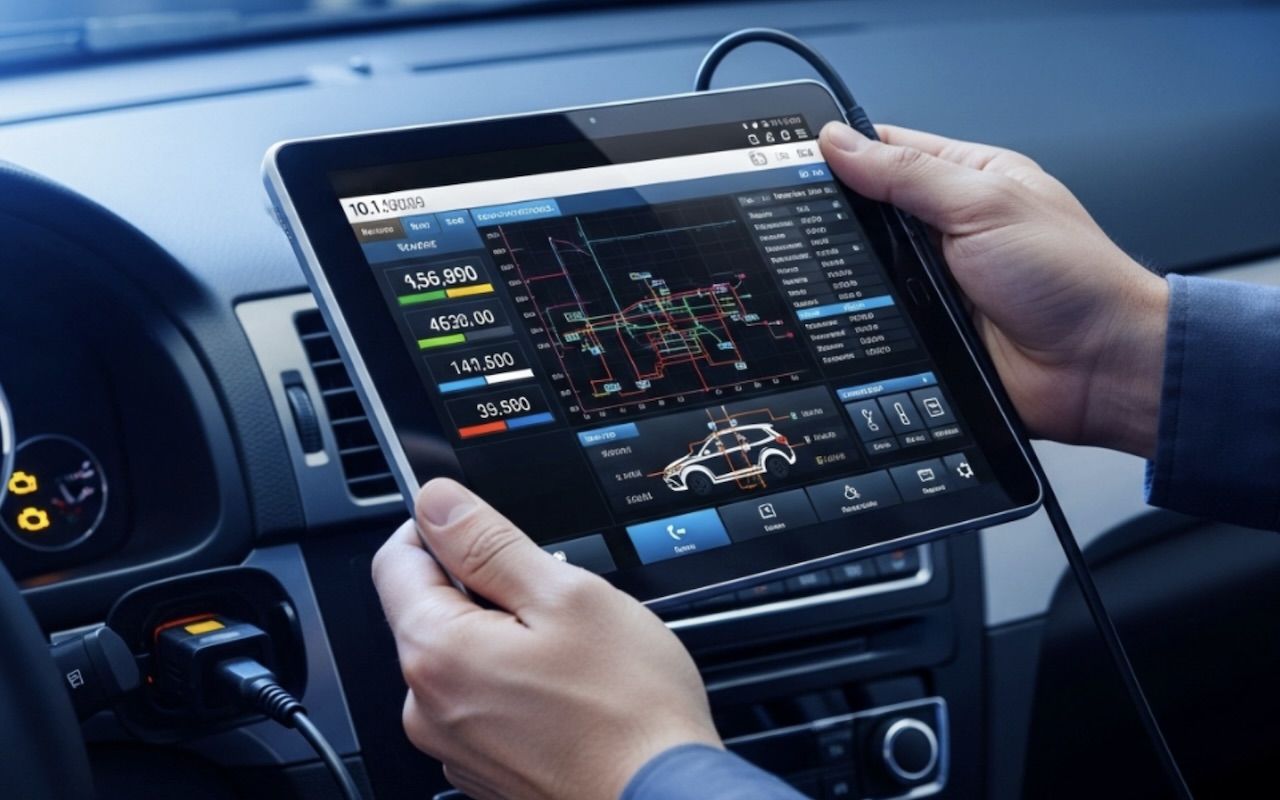
Every car owner has experienced that gut-punch moment: the check engine light (CEL) suddenly glows on the dashboard. Panic sets in; Is it a loose gas cap or a costly engine failure? While the CEL signals a problem, it tells you nothing about the details. That’s where a professional OBD2 scanner becomes indispensable. Unlike basic code readers that only spit out cryptic codes, these tools turn vague warnings into actionable insights, saving you from blind guesswork, unnecessary mechanic bills, and costly breakdowns.
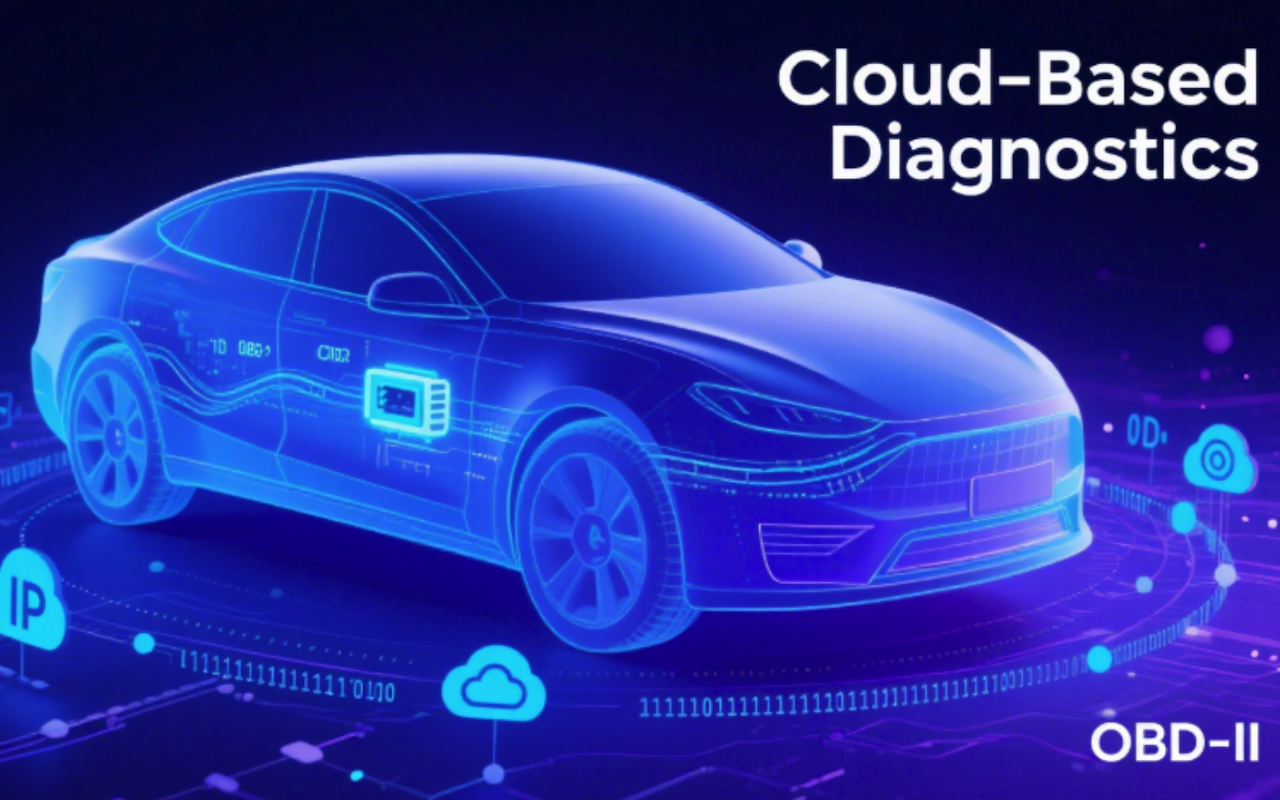
Modern vehicles are no longer just mechanical machines; they have evolved into complex, data-rich devices capable of communicating with cloud platforms, mobile applications, and even other vehicles. In many ways, today’s cars are mobile IoT (Internet of Things) endpoints, generating data streams comparable to the digital footprints created by IP-connected devices online. Understanding and leveraging this data has become increasingly critical for both individual car owners and fleet managers. This is where cloud-based vehicle diagnostics and professional tools like Foxwell scan tools come into play.
Modern cars are no longer merely mechanical machines; They are complex interconnected devices capable of generating and sharing large amounts of data. From engine performance to emissions and even driving habits, the information stored in today's vehicles can be accessed through the OBD-II port.
When it comes to driving a BMW, you're not just getting from point A to point B, you’re experiencing automotive precision, performance and that different feeling. But maintaining that experience can come at a cost, especially when something breaks or wears out. BMW parts aren't cheap and dealerships often charge premium prices for even the most basic replacements.
With time, technology is bringing a new change in today's world. In the past, the electric dirt bike lacked features and were not considered eco-friendly due to limited technological advancement. But over time, improved technology has significantly transformed these bikes.
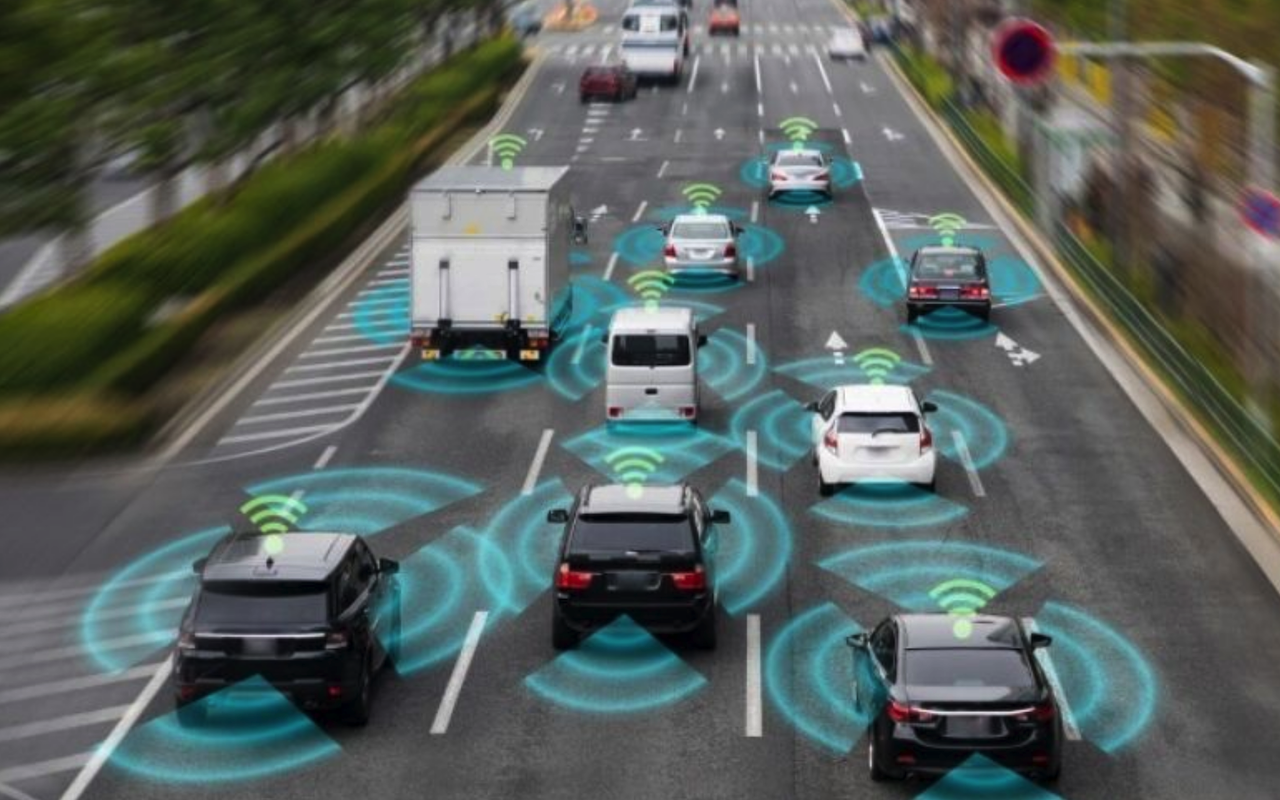
The evolution of autonomous vehicles (AVs) is transforming global transportation ecosystems. One of the most critical and enabling technologies behind this evolution is geo-fencing — virtual boundaries created using IP-based geolocation data, GPS, and other network technologies. As AVs become increasingly connected and reliant on real-time data, geo-fencing is no longer a simple add-on but a core component of smart transportation infrastructure. This article explores how geo-fencing technology — closely tied to networks, IP addresses, cloud computing, and cybersecurity frameworks — is reshaping the future of autonomous vehicles.